


In 2026, the debt collection landscape is undergoing a silent but explosive transformation. What began as a convenient “Buy Now, Pay Later” (BNPL) checkout button has evolved into a fragmented web of high-volume delinquencies.
For Founders and CFOs in lending, retail finance, telecom, and utilities, the stakes are high. Ignoring the BNPL shift means more than just mounting bad debt; it risks regulatory friction and the permanent loss of Customer Lifetime Value (CLV).
The Reality of Hidden Debt
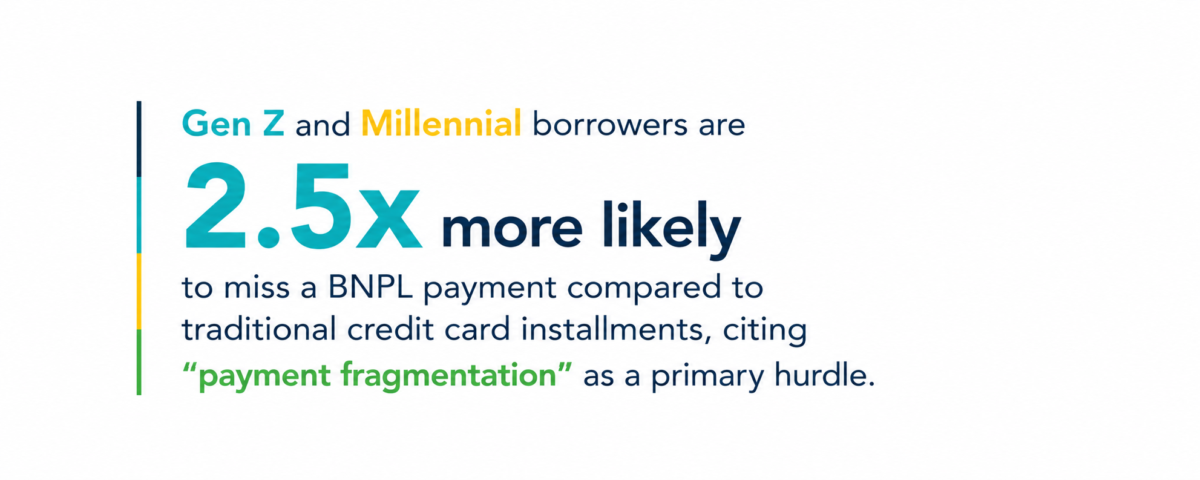
BNPL usage has surged, driven by persistent cost-of-living pressures. Younger Canadians (under 35) are the primary drivers of this trend, often juggling multiple small installment plans across platforms like Klarna, Affirm, and After pay.
Because many of these micro-loans do not appear uniformly on traditional credit reports, they create a “hidden debt” illusion. Borrowers appear creditworthy on paper while being critically overextended in reality.
Why the Legacy Playbook is Failing
Clinging to 2010s-era tactics like high-volume outbound calling and generic scripts is a strategic dead end. The modern borrower doesn’t just dislike debt collectors; they ignore them.
- The Communication Gap: Digital-native debtors ignore unknown callers but engage with SMS, app notifications, and self-service portals.
- The Fragmented Portfolio: Traditional agencies are optimized for large, single-loan recoveries. They struggle to cost-effectively manage five separate $50 delinquencies.
- The Provincial Patchwork: A “one-size-fits-all” national strategy often crashes against the evolving regulatory frameworks in Ontario, Quebec, and BC, where BNPL-specific oversight is tightening.
The 2026 Framework: Digital, Data, and Empathy
Forward-thinking organizations are achieving superior results by repositioning collections as a financial wellness interaction. Partnering with specialized providers like NCRi Inc allows firms to implement four critical pillars:
1. Omnichannel & Self-Service First
If a customer bought a product via an app, they expect to resolve the debt via an app. Using Rich Communication Services (RCS) and personalized payment links allows debtors to negotiate on their own terms, preventing accounts from aging into costly legal stages.
2. AI-Powered Segmentation
Modern platforms use predictive insights to determine a borrower’s willingness versus ability to pay. This allows for “right-time” outreach such as offering a payment pause for a gig worker during a slow month which preserves the customer relationship while securing future cash flow.
3. Empathy as a Recovery Tool
Data shows that collections framed as a partnership outperform high-pressure tactics. Providing educational resources and flexible hardship programs builds brand loyalty that lasts long after the debt is cleared.
4. Provincial Compliance by Design
With Canadian consumer protection authorities increasingly focused on “vulnerable borrowers,” built-in compliance engines are mandatory. These systems automatically adapt messaging and frequency based on the debtor’s province, eliminating manual errors and legal risk.
The Business Case for Modernization
The shift to digital-first recovery isn’t just about ethics; it’s about the bottom line. Early adopters of these specialized strategies report:
- 15–25% improvement in recovery rates.
- Significant reduction in operational costs through automation.
- Lower churn rates, as customers remain within the ecosystem rather than fleeing to competitors after a bad collection experience.
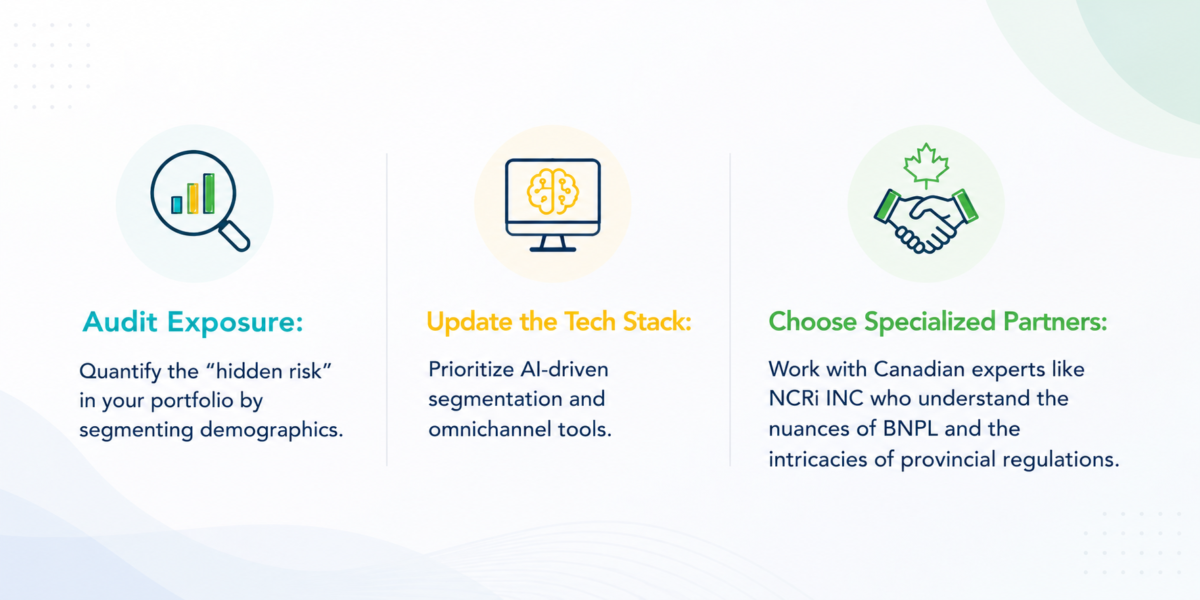
Action Steps for CFOs
The Future Belongs to the Adaptable
The BNPL wave is not a temporary blip; it is the new standard of Canadian credit. Traditional agencies that fail to evolve will face declining performance and reputational damage.
At NCRi INC, we bridge the gap between technology and human empathy. We help you turn BNPL challenges into sustainable cash flow and stronger customer relationships.
The debt tsunami is here. Is your receivables strategy built to weather it? Contact NCRi INC today to future-proof your portfolio
0 comments on “The BNPL Debt Tsunami: Why Traditional Collections Are Failing Young Borrowers?”